Many people wonder whether someone can be pregnant and still have a normal menstrual period. The short answer is no—a person cannot experience a true menstrual period while pregnant. However, many women do experience bleeding or spotting early in pregnancy, and it can easily be confused with a period.
This article explains the reasons behind early-pregnancy bleeding, how hCG affects the body, when tests show pregnancy, and the signs of miscarriage or hidden pregnancy.
Can You Be Pregnant and Still Have a True Period?
No.
During pregnancy, the body stops releasing eggs, and the uterus no longer sheds its lining—so a true period cannot occur.
However, some women still experience bleeding, and this is where confusion happens.
Bleeding That Looks Like a Period During Pregnancy
Bleeding in early pregnancy may happen for several reasons:
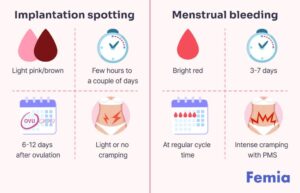
1. Implantation Bleeding
This is light spotting that occurs when the fertilized egg attaches to the uterus—usually 10–14 days after conception.
Common signs of implantation bleeding:
-
Light pink or brown discharge
-
Mild cramps
-
Lasts a few hours to 2 days
-
Much lighter than a normal period
2. Hormonal Changes
Pregnancy causes a big rise in the hormone hCG (human chorionic gonadotropin).
This hormone prepares the body to support the pregnancy.
Hormonal shifts can cause:
-
Mood swings
-
Breast tenderness
-
Fatigue
-
Nausea
-
Light spotting
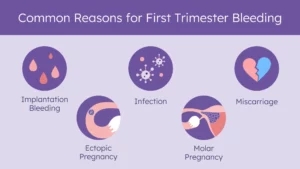
3. Pregnancy Complications
If someone was pregnant earlier and then notices bleeding, it may signal a complication such as:
-
Threatened miscarriage
-
Miscarriage
-
Ectopic pregnancy
Miscarriage bleeding is usually heavier, often with stronger cramps.

Understanding hCG: The Pregnancy Hormone
hCG is a hormone produced soon after implantation. It increases throughout early pregnancy.
Functions of hCG
-
Supports the growth of the embryo
-
Helps the body produce progesterone
-
Maintains the uterine lining
-
Signals the body to stop menstruation
Effects of hCG on a Woman’s Body
High hCG levels can cause:
-
Nausea and morning sickness
-
Vomiting
-
Breast tenderness
-
Fatigue
-
Increased urination
-
Digestive issues like bloating
These are common early-pregnancy symptoms.
Can Pregnancy Tests Show a False Negative?
Yes. A woman can be pregnant but test negative.
Reasons for a False Negative:
-
Testing too early
-
Diluted urine (drinking too much water)
-
Low hCG levels
-
Using the wrong testing method
How to Get the Most Accurate Test
-
Test after a missed period
-
Use first-morning urine
-
Wait 48 hours and test again if unsure
Can an Ultrasound Show Pregnancy?
Yes, but ultrasound does not detect hCG.
Instead, it shows pregnancy by identifying:
-
Gestational sac
-
Yolk sac
-
Fetal pole
A woman with very low hCG levels may test positive on a blood test but still not show a pregnancy on ultrasound yet.
Ultrasounds usually detect pregnancy from 5–6 weeks gestation.
What Are the hCG Tests?
There are two main types of hCG tests:
1. Urine hCG Test
-
Used in home pregnancy kits
-
Detects hCG in urine
-
May give false negatives early on
2. Blood hCG Test
-
Done in hospitals or clinics
-
More accurate
-
Can detect lower levels of hCG
-
Helps identify complications
Signs of Miscarriage
Seek medical help if you notice:
-
Heavy bleeding
-
Strong abdominal cramps
-
Passing clots or tissue
-
Sudden loss of pregnancy symptoms
-
Dizziness or fainting
These can indicate:
-
Miscarriage
-
Ectopic pregnancy
-
Pregnancy loss
Signs Someone Is Pregnant but Tests Are Negative
This situation is known as a cryptic pregnancy.
Possible signs include:
-
Missed or irregular periods
-
Very low hCG levels
-
Bloating
-
Nausea and vomiting
-
Breast tenderness
-
Fatigue
-
Frequent urination
If symptoms continue despite negative tests, a blood test or ultrasound is recommended.
Medication and What to Do
If pregnancy is suspected:
-
Avoid alcohol and smoking
-
Stop taking harmful medications (consult a doctor)
-
Begin prenatal vitamins
-
Get a blood hCG test
If experiencing bleeding:
-
Track the amount of blood
-
Avoid strenuous activity
-
Seek medical care if bleeding becomes heavy
If miscarriage is suspected:
Immediate medical evaluation is necessary.
Conclusion
You cannot have a real menstrual period while pregnant, but you can experience bleeding that resembles one. Implantation bleeding, hormonal shifts, and pregnancy complications can all cause spotting or light bleeding.
Understanding hCG, pregnancy testing, ultrasound results, and the signs of complications can help someone identify what is happening in their body and when to seek medical care.