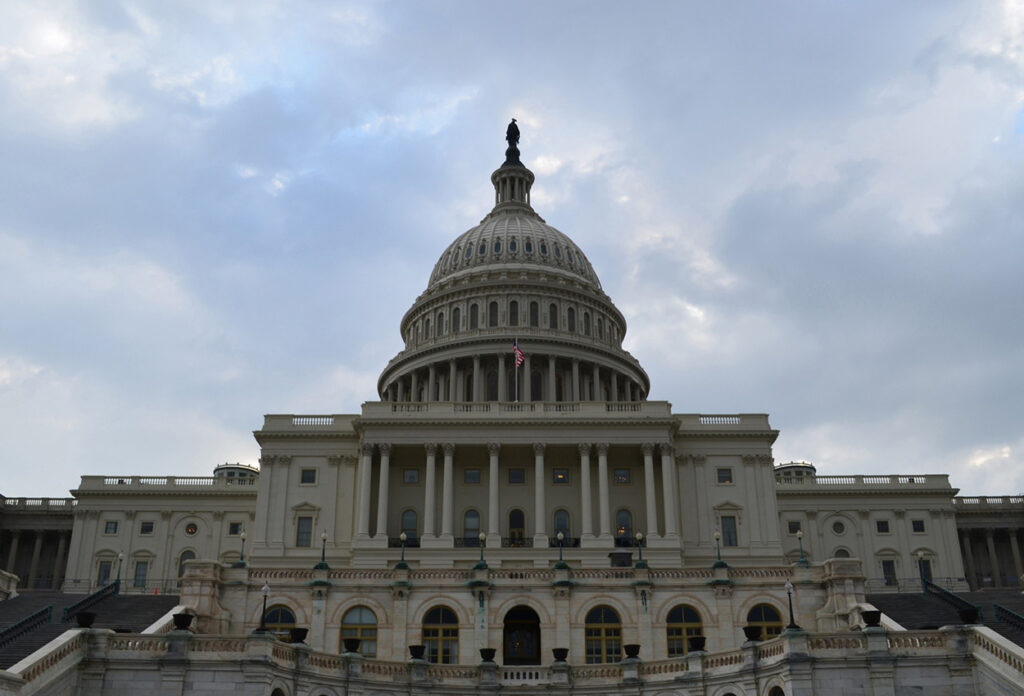
What Is the Ballroom? Inside Donald J. Trump’s $300 Million White House Expansion
In 2025, President Donald J. Trump unveiled plans to add a massive new structure to the White House: a 90,000-square-foot neoclassical ballroom that would replace the historic East Wing. Drawing inspiration from the opulence of Mar-a-Lago’s Grand Ballroom, the proposed addition would host state dinners, diplomatic events, and presidential gatherings on an unprecedented scale.
Key Features of the Ballroom
-
Size: The ballroom spans approximately 90,000 square feet.
-
Cost: Private donors, including Trump himself, are expected to contribute an estimated $300 million.
-
Design: Architects plan a neoclassical style featuring gold accents, crystal chandeliers, and seating for up to 650 guests.
-
Purpose: The space would accommodate formal state events, high-level meetings, and ceremonial functions.
-
Controversy: Plans to demolish the East Wing and build such a large structure have sparked debate over historical preservation and public spending.
This ballroom would represent one of the most significant structural changes to the White House in decades, blending Trump’s signature luxury aesthetic with presidential tradition. Renderings depict a space reminiscent of Versailles, echoing the grandeur of his Palm Beach estate.
Reasons Behind Building the Ballroom
Donald J. Trump decided to build the White House Ballroom to blend symbolism, functionality, and legacy. He envisioned the grand hall as a way to leave a lasting architectural mark on the presidency, much like past leaders who earned recognition for their expansions or renovations.
He designed the ballroom to host state dinners, international summits, and ceremonial events, giving the United States a venue comparable to the palaces and presidential residences of other nations. Inspired by the opulence of Mar-a-Lago’s Grand Ballroom, Trump sought to bring his signature luxury aesthetic to Washington by incorporating gold accents, crystal chandeliers, and neoclassical design.
Beyond style, he aimed to address practical needs by replacing the East Wing with a 90,000-square-foot hall that could seat up to 650 guests—far more than any existing White House space. Private donors, including Trump himself, funded most of the estimated $300 million cost, allowing him to present the project as a gift to the nation rather than a taxpayer burden.
Ultimately, the ballroom reflected Trump’s desire to cement his legacy as both a builder and a president, merging his real estate background with political history while sparking debate over historical preservation and the role of luxury in public service.
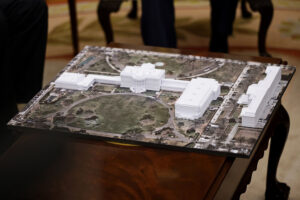
Trump’s White House Ballroom: A Legacy Project With Political Implications
Donald J. Trump’s decision to build a grand White House Ballroom carries both symbolic weight and potential political value. Analysts suggest that while the project is primarily centered on legacy and architectural impact, it may also provide Trump with strategic benefits in the near future. The ballroom’s scale and opulence reinforce his image as a builder who delivers bold, high-profile projects—an image he frequently highlights in political messaging and campaign narratives.
If completed or significantly underway during his presidency, the project could serve as a powerful visual symbol of accomplishment and influence, appealing to supporters who admire his business background and taste for grandeur. At the same time, the controversy surrounding the demolition of the East Wing and the reliance on private donor funding could energize critics, creating a polarizing issue that ensures Trump remains at the center of national discussion.
Political observers note that while no concrete projections guarantee the ballroom will directly boost his standing, the visibility of such an ambitious undertaking may strengthen his narrative of reshaping American institutions in his own style. This theme resonates strongly with his base, who view him as a disruptor willing to challenge tradition and redefine presidential legacy. The ballroom could also serve as a backdrop for future state events, campaign rallies, or international summits, further embedding Trump’s imprint on the presidency.
In this sense, the project is not only architectural but also symbolic, positioning Trump as a leader who blends real estate grandeur with political power. Whether it ultimately enhances his political fortunes depends on public reception, but the sheer scale of the project ensures it will remain a talking point that influences perception in the years ahead.
What Was Demolished for Trump’s White House Ballroom — And Why?
When President Donald J. Trump announced plans for a 90,000-square-foot neoclassical ballroom, he immediately sparked controversy by deciding to demolish the East Wing. For decades, the East Wing housed offices for the First Lady and her staff, along with the East Colonnade and visitor entrance. Although the East Wing was not part of the original 1800s White House design, it had become a symbolic space tied to First Ladies since Eleanor Roosevelt’s era.
The Demolition
Trump’s plan eliminated the East Wing offices that First Ladies and their staffs had used for generations. It also removed the East Colonnade and its ceremonial visitor entrance, a passageway deeply associated with White House tradition. Even though the wing was not original to the estate, preservationists emphasized its cultural significance and fought to protect it.
The Reason
Trump acknowledged that he did not need to tear down the East Wing to build the ballroom. He could have constructed the hall around it, but he argued that keeping the wing “right smack in the middle” would have forced him to settle for a smaller and less impressive design. He insisted he would not “sacrifice a great ballroom for an okay ballroom.” His decision reflected his broader desire to reshape the White House according to his own vision. By removing the East Wing, he created room for a grand hall capable of seating 650 guests and decorated with chandeliers, gold accents, and Versailles-inspired opulence. Preservationists criticized the move as a disregard for history, while supporters praised it as a bold demonstration of presidential legacy.
Political and Cultural Impact
Supporters argued that the ballroom showcased Trump’s business style and preference for luxury. Critics claimed the demolition was unnecessary, expensive, and disrespectful to White House tradition. Private donors, including Trump, funded most of the $300 million project, allowing him to portray it as a gift to the nation rather than a taxpayer burden.
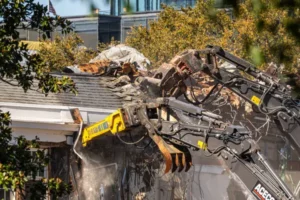
How Long will it take for it to be Complited
Construction of Donald J. Trump’s proposed White House Ballroom is expected to take several years because of its enormous scale, complex design, and the logistical challenges of working within a historic site. Early projections estimate that, if workers begin promptly and avoid major delays, they could complete the ballroom in three to five years.
This timeline includes demolishing the East Wing, laying the foundation, executing detailed architectural work, and installing luxury elements such as chandeliers, marble flooring, and gold accents. Because private donors are funding the project, its pace will also depend on continued contributions and approvals from preservation boards and federal authorities.
Although Trump has emphasized speed and efficiency, experts point out that large-scale government-related construction often experiences delays from regulatory reviews, security considerations, and public debate. As a result, workers may make significant progress during his presidency, but full completion could extend beyond his current term, positioning the ballroom as both a short-term political symbol and a long-term legacy project.
How Much Will it Cost in complition
The projected cost of completing Donald J. Trump’s White House Ballroom is estimated at around $300 million. This figure reflects the scale of the project—approximately 90,000 square feet of neoclassical architecture with luxury finishes such as marble floors, gold accents, and crystal chandeliers. The demolition of the East Wing, foundation work, and specialized construction techniques required for building within the White House compound also contribute to the high expense.
Importantly, the funding is expected to come largely from private donors, including Trump himself, rather than taxpayer dollars. This arrangement allows Trump to frame the ballroom as a gift to the nation while avoiding direct public spending. However, preservation boards and federal authorities must still approve the project, which could affect both cost and timeline.
While $300 million is the current estimate, analysts note that large-scale projects of this nature often face cost overruns due to design changes, security requirements, and delays. If construction extends beyond the initial three-to-five-year timeline, the final cost could rise significantly, making the ballroom not only one of the most ambitious but also one of the most expensive additions in White House history.