Introduction: Why Gut Health Matters More Than Ever
In the fast-paced world of 2025—where stress is high and processed foods dominate—gut health has become one of the most researched topics in wellness. People everywhere are asking: “How does gut health affect overall well-being, and how can we improve our microbiome?”
Thousands of studies support the gut’s powerful influence on mood, immunity, digestion, and even longevity. NielsenIQ’s Global State of Health & Wellness 2025 report shows that over half of consumers plan to eat more high-fiber and probiotic-rich foods this year. We’re shifting from quick health fixes to long-term microbiome care.
Scientists now understand that the gut microbiome—the trillions of microbes in your digestive tract—affects metabolism, mental health, inflammation, and immune strength. Poor gut health is linked to anxiety, obesity, and autoimmune issues, while a balanced microbiome boosts energy, focus, and overall vitality.
This blog breaks down the science, debunks myths, and gives you practical strategies for a healthier gut in 2025. Whether you’re tired of bloating or want better performance, a healthier gut may be the solution you’ve been searching for.
The Gut Microbiome 101 – What It Is and Why It Matters
The gut microbiome acts like a busy city of about 100 trillion microbes working inside your intestines. These microbes help digest food, produce important vitamins like B12 and K, and regulate inflammation. They also communicate with your brain through the vagus nerve and influence around 90% of your serotonin production.
A diverse microbiome protects you from chronic diseases. Research shows that low microbial diversity is linked to higher risks of depression and type 2 diabetes. Antibiotics, stress, and poor diets disrupt this balance and create “dysbiosis,” which often feels like brain fog, bloating, or constant fatigue.
The best part? Your microbiome can change quickly. Studies from the American Gut Project show that two weeks of improved eating can dramatically shift your gut bacteria. And in 2025, at-home microbiome tests—powered by AI and up to 95% accurate—make it easy to track your gut health.
Think of your gut as a powerful tool waiting for you to activate it.
The Gut-Brain Axis – How Your Gut Talks to Your Mind
The gut and brain are constantly talking through the gut-brain axis, a communication system linking digestion, mood, and mental health.
Your gut produces neurotransmitters that influence stress and emotions. A 2025 Frontiers in Nutrition review found that people with more diverse gut bacteria experienced 30% lower anxiety, thanks to anti-inflammatory compounds like butyrate.
Stress can disrupt this connection. When cortisol rises, it can make your gut more permeable, causing toxins to enter the bloodstream—a condition known as “leaky gut.” This inflammation affects the brain and can worsen anxiety and depression.
To support this gut-brain link:
-
Add mood-boosting probiotics like Lactobacillus rhamnosus, shown to reduce depressive symptoms.
-
Use meditation or breathwork to stimulate the vagus nerve.
-
Eat fermented foods that calm inflammation.
Nurturing your gut doesn’t just improve digestion—it strengthens your emotional resilience.
Gut Health and Immunity – Your First Line of Defense
About 70% of your immune system lives in the gut, making it the body’s largest immune training ground. Healthy gut bacteria teach immune cells how to respond to threats and keep harmful microbes out of the bloodstream.
A 2025 study in the International Journal of Circumpolar Health found that people who took prebiotics had 40% fewer infections during cold and flu season. No wonder probiotic and prebiotic sales have surged worldwide.
To support gut-driven immunity:
-
Eat 30+ different plant foods each week to diversify gut bacteria.
-
Include fermented foods like kimchi or kefir.
-
Increase fiber from oats, beans, and vegetables.
A strong gut microbiome acts like a shield—especially important in a world still recovering from global health challenges.
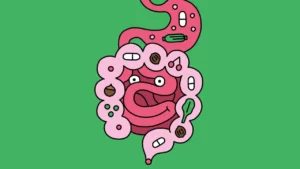
Nutrition for a Happy Gut – What to Eat and What to Avoid
Your diet directly shapes your microbiome. High-fiber, plant-based foods feed beneficial bacteria and reduce inflammation. The NIQ 2025 survey reports that 53% of consumers plan to eat more fiber this year.
Gut-friendly foods include:
-
Prebiotics: Garlic, onions, leeks, oatmeal, bananas
-
Probiotics: Yogurt, kombucha, sauerkraut, miso
-
Postbiotics: Heat-killed bacterial byproducts found in new 2025 wellness drinks
Foods to avoid:
-
Ultra-processed foods
-
Excess sugar
-
Emulsifiers and additives
-
Low-fiber diets
For supplements, look for multi-strain probiotics with 10–50 billion CFUs, supported by 2025 meta-analyses showing benefits for IBS and digestion.
A sample gut-friendly meal might include:
-
Kefir smoothie with chia seeds and spinach
-
Quinoa salad with fermented vegetables
Small changes create big improvements over time.
Lifestyle Factors – Building a Gut-Healthy Routine
Gut health depends on more than food. Daily habits shape your microbiome.
Exercise:
Studies show that regular movement increases gut diversity by 20%. Aim for 150 minutes of moderate exercise each week.
Sleep:
Poor sleep disrupts your microbiome. A 2025 Sleep Foundation report found that 7–9 hours per night improves microbiome health by 15%.
Stress:
High stress harms the gut. Breathwork, yoga, and mindfulness help lower cortisol and protect the gut lining.
Environment:
Minimize exposure to plastics, processed foods, and pesticides. Even socializing helps—sharing meals introduces beneficial microbes, a longevity habit found in Blue Zones.
Emerging trends like cold exposure—a 30-second cold shower—may strengthen the gut barrier, according to new research.
Common Myths, Latest Research, and the Future of Gut Health
Let’s clear up a few myths:
-
You can’t reset your gut overnight.
-
Cleanses and extreme detoxes often do more harm than good.
-
Apple cider vinegar helps digestion but isn’t a cure-all.
The latest 2025 research highlights new innovations:
-
Fecal microbiota transplants (FMT) show up to 80% success for C. diff infections.
-
AI-powered gut tests can predict disease risk years in advance.
-
The gut wellness market may reach $100 billion by 2030.
-
Wearables now track inflammation and digestion in real time.
The future of wellness is personalized, science-backed, and gut-centered.
Conclusion: Make Gut Health Your 2025 Priority
Gut health isn’t a trend—it’s a transformation. Improving your microbiome boosts your mood, immunity, focus, and long-term health. Start small:
-
Add one fermented food per day
-
Move your body
-
Sleep well
-
Reduce stress
With the tools and science available in 2025, you’re fully equipped to take control of your gut—and your well-being.